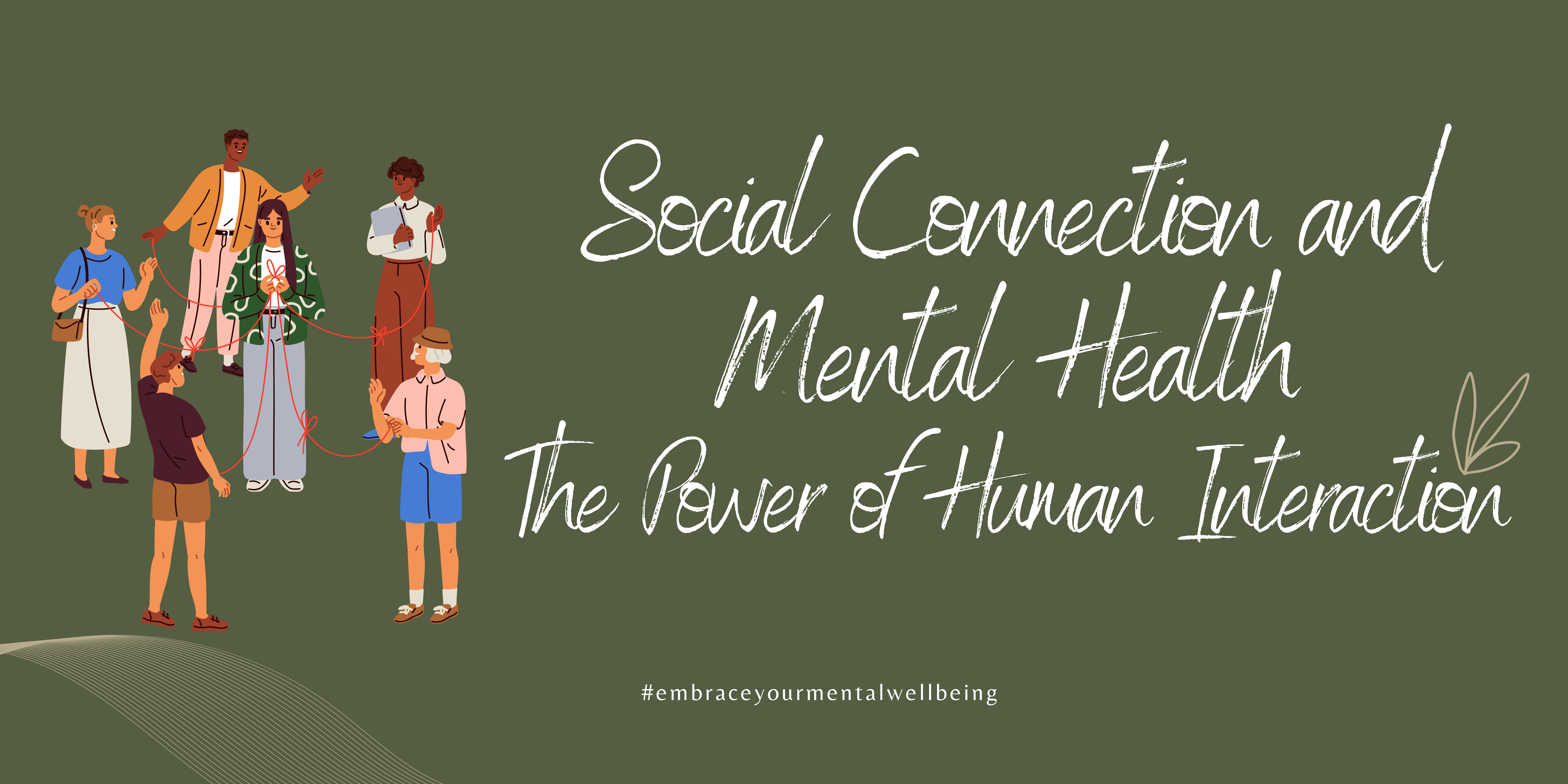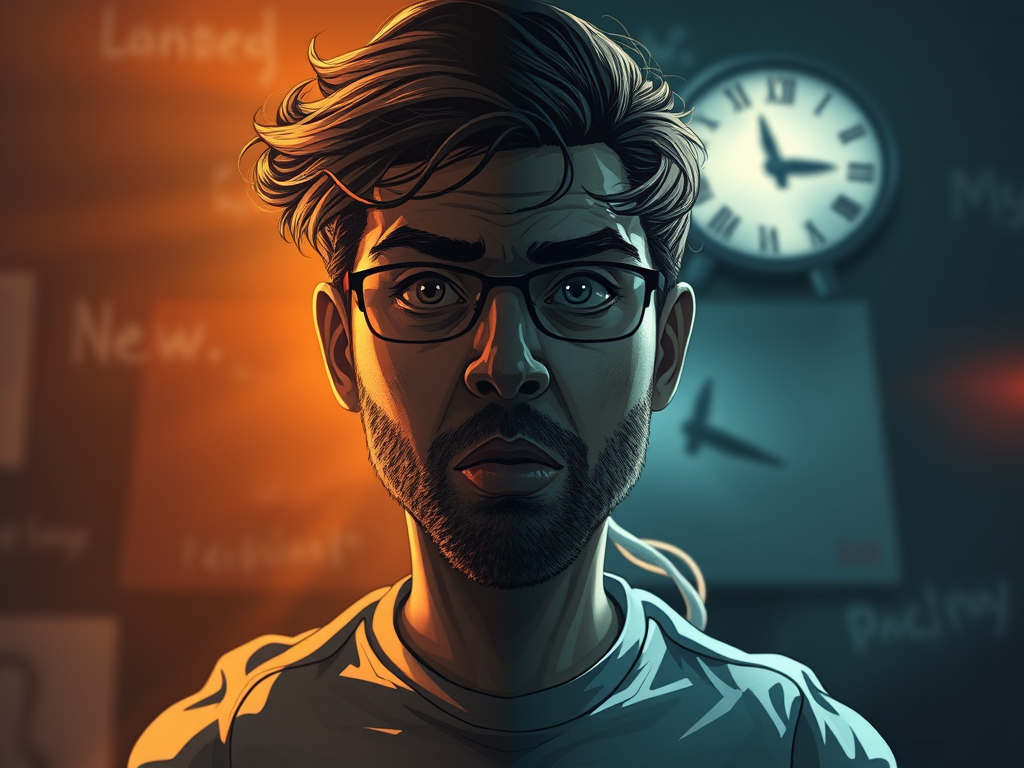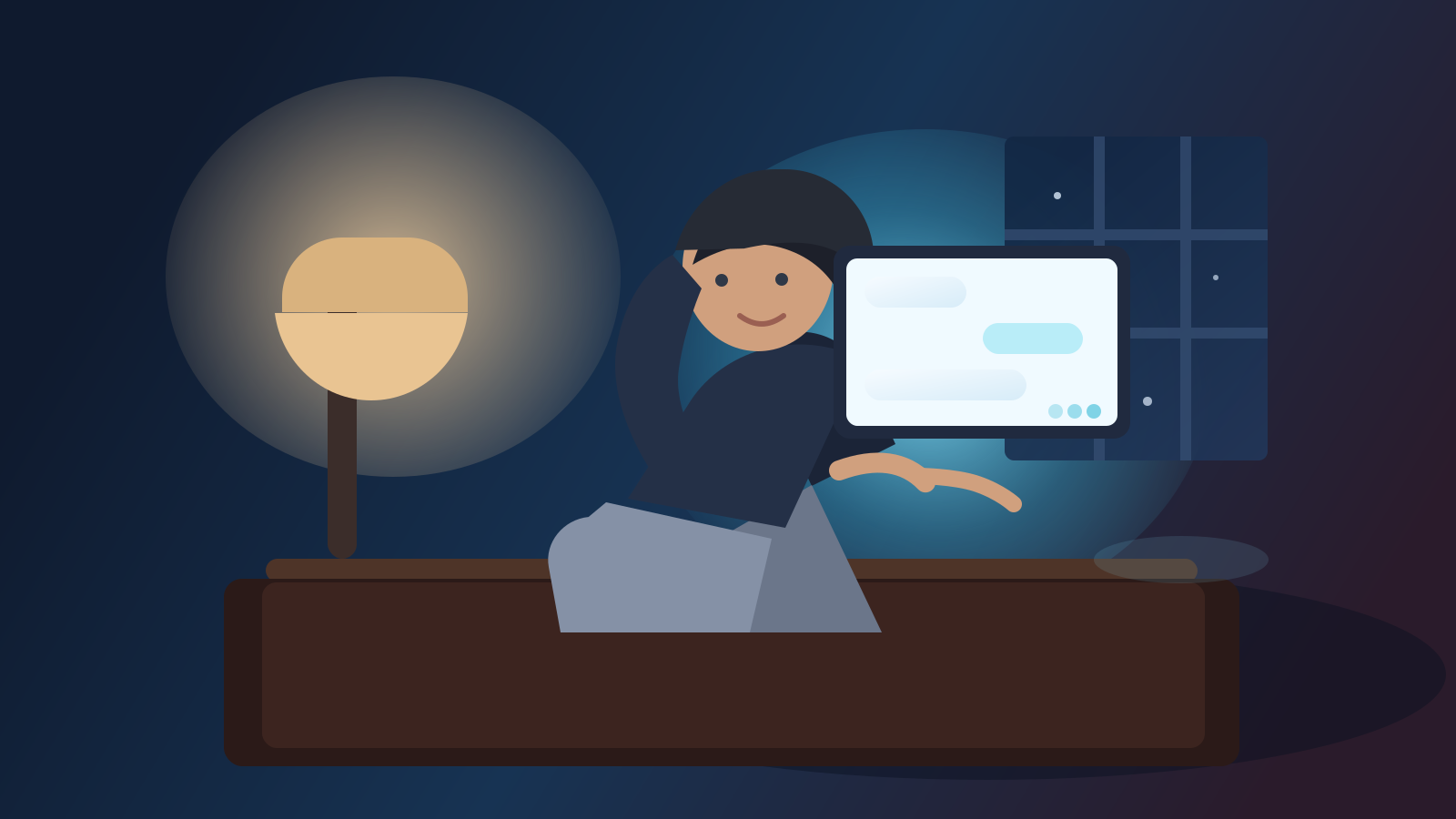
Millions of people are quietly falling in love with chatbots. Not in a science-fiction way — in a Tuesday-evening, I-just-need-someone-to-talk-to kind of way. And before we judge, it's worth asking: what does this really say about modern loneliness?
The Loneliness Epidemic Is Very Real
Before we talk about AI, we need to talk about how alone people feel.
In 2023, the U.S. Surgeon General officially declared loneliness a public health epidemic. Chronic loneliness, researchers say, increases your risk of early death by 26–29% — comparable to smoking 15 cigarettes a day. And it is not just an older person's problem. Gen Z reports feeling the loneliest of any generation, despite being the most digitally connected.
Into this emotional gap stepped AI companions.
Why People Are Turning to Chatbots for Connection
Apps like Replika and Character.AI have accumulated tens of millions of users worldwide. A 2025 Harvard Business Review analysis found that therapy and companionship are the top two reasons people use AI chatbots. In a separate study, nearly 49% of adults with a mental health condition had used an AI tool for emotional support in the past year.
A 2025 survey found that 83% of Gen Z believe they could form deep emotional bonds with AI. For many, the appeal is simple: an AI never judges, never cancels plans, never gets distracted by its own problems. It listens — or at least it feels that way.
Real examples that mirror what researchers are finding:
- A grieving widow begins talking to a chatbot each night because silence in the house feels unbearable.
- A teenager, anxious about being judged by peers, shares her real feelings with an app instead.
- A remote worker, three time zones from family, starts each morning with a chatbot "check-in" because it helps him feel less invisible.
None of these people are broken. They are lonely.
The Catch-22: Does AI Help or Hurt?
Here is where it gets complicated.
A 2025 MIT Media Lab and OpenAI study found that the people who used ChatGPT most heavily for emotional support were also the loneliest. The research could not confirm whether AI caused the loneliness or lonely people simply sought out AI — but a four-week randomised controlled trial added an important finding: heavy daily chatbot use was linked to greater loneliness, more dependence, and less real-world socialising over time.
A Harvard Business School study found the opposite for lighter users — brief interactions with an AI companion reduced feelings of loneliness on par with talking to another human. The difference seems to come down to how you use it.
In short: a small dose may soothe. A large, daily emotional dependency appears to deepen the wound.
What This Really Tells Us
An AI does not make you lonely. But the fact that millions of people find it easier to open up to a machine than to another person — that tells us something important.
We live in a culture that rewards busyness and punishes vulnerability. Many people have dozens of contacts in their phone and no one to call when things fall apart. AI steps in because real connection feels too risky, too complicated, or simply unavailable at 11 p.m. when the anxiety hits.
The chatbot is not the problem. The emptiness it is filling is.
4 Things You Can Do Instead (Or Alongside)
1. Name the actual loneliness.
Before you open an app, pause and ask: Who do I actually wish I could talk to right now? Write it down. That name is a starting point.
2. Try a "one real thing" practice.
Each day, share one genuine thought or feeling with a real person — even just a text. It does not have to be deep. Consistency matters more than depth.
3. Use AI as a warmup, not a replacement.
Some therapists suggest journalling with AI to organise your thoughts before a real conversation. This is healthy use — a bridge, not a destination.
4. Audit your social calendar honestly.
How many of your interactions last week were transactional (work, errands) vs. genuinely connective? If the honest answer is close to zero, that is data, not failure. Start with one change.
The Bottom Line
AI companionship is not a moral failure. It is a mirror. When millions of people prefer talking to a bot over reaching out to another human, we are not witnessing a technology problem — we are witnessing a loneliness crisis wearing a technology costume.
The goal is not to shame anyone for finding comfort where they can. The goal is to use that comfort as a stepping stone back toward the messier, richer, irreplaceable thing that only another human being can offer.
You deserve real connection. And real connection starts with believing you are worth showing up for.
If loneliness feels overwhelming, please reach out to a mental health professional. You are not alone in feeling alone.